Product Description
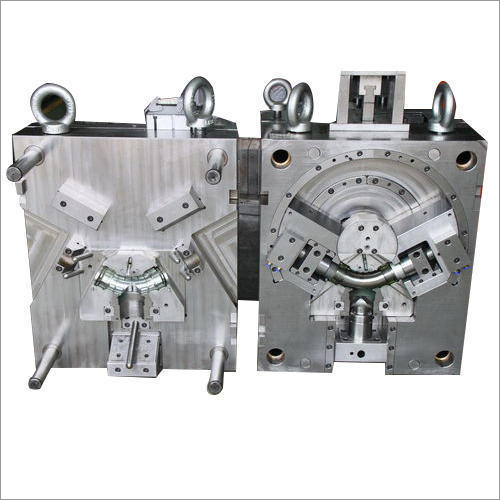
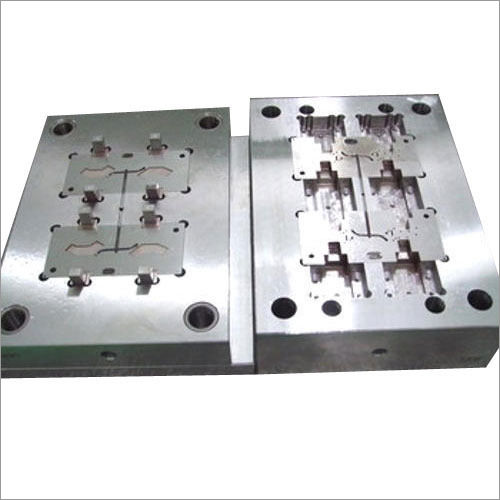
We provide our valuable clients with high quality Aluminum Pressure Die Making Tool which is manufactured using supreme grade aluminum under the supervision of skilled professionals. This machine is grey in color and is widely used for industrial purposes. The offered machine is acknowledged in the market because of its sturdy construction, high utility and efficiency, user friendly nature and corrosion resistance. Designed in accordance with the international standard norms and regulations, this machine can be purchased from us at highly competitive rates. Aluminum Pressure Die Making Tool is used for making dies of different shapes and sizes using the pressure cutting method.
Specification of Aluminum Pressure Die Making Tool
|
Application
|
Industrial
|
|
Brand
|
Aarenza
|
|
Country of Origin
|
Made in India
|
|
Surface Treatment
|
Coated
|
|
Material
|
Aluminum
|
|
Hardness
|
40 HRC
|
|
Color
|
Grey
|
Precision in Pressure Die CastingDesigned for high-accuracy production, our aluminium pressure die tool offers tolerance of 0.02 mm and a polished surface finish or custom finish to your requirements. Ideal for demanding industries like automotive and electrical, this tool assures exceptional repeatability and dimensional stability even in complex designs.
Flexible Cavity and Runner SystemChoose from single or multi-cavity configurations along with hot or cold runner systems to optimize your output and process efficiency. The versatility in design supports varied batch sizes and meets the unique needs of manufacturers, traders, and distributors, ensuring seamless integration into existing setups.
Durable Construction and Easy MaintenanceCrafted with a high-grade steel base and aluminium alloy core, the mould promises strength and longevity. Replaceable inserts enhance maintenance, reducing downtime, while the precision-ground and hardened die head maintains consistent quality over its operational lifespan of up to 150,000 shots.
FAQ's of Aluminium Pressure Die Making Tool:
Q: How is the surface finish on the Aluminium Pressure Die Making Tool achieved?
A: The tool can be supplied with a polished surface finish or customized as per customer requirements. The finishing process involves precision machining and, if required, additional polishing steps to ensure optimal part appearance or specific texture.
Q: What types of components can be manufactured using this tool?
A: This pressure die making tool is suited for producing automotive, electrical, and industrial components. Its versatility accommodates various sizes and design complexities vital for these sectors, delivering high precision and consistent quality.
Q: What is the process for using the tool in production?
A: Manufacturers use the pressure die casting process, where molten aluminium is injected into the mould cavity under high pressure. The automated or manual ejection system facilitates easy removal of cast components, maximizing productivity and minimizing cycle times.
Q: When should I consider choosing a single or multi-cavity mould?
A: A single-cavity mould is ideal for lower production volumes or prototyping, while multi-cavity moulds are recommended for higher output requirements, allowing multiple parts to be cast simultaneously and improving overall efficiency.
Q: Where can this tool be supplied or exported?
A: The Aluminium Pressure Die Making Tool meets international mould standards and export quality benchmarks, making it suitable for distributors, exporters, and manufacturers globally, including within and outside India.
Q: What are the maintenance advantages of this die making tool?
A: The tool is designed for easy maintenance with replaceable inserts. This feature reduces downtime and extends operational life, enabling quick swaps and consistent performance over up to 150,000 shots.
Q: What are the main benefits of using this die making tool in manufacturing?
A: Key benefits include high durability, precise tolerances, flexible configuration options, easy maintenance, and adherence to international standards. These advantages contribute to reliable production, reduced defects, and optimal operational efficiency for manufacturers and suppliers.




 : 09925714120



 Send Inquiry
 Send Inquiry
 Send SMS